 Website created with DIYweb4U


When To Replace Your Car's Battery
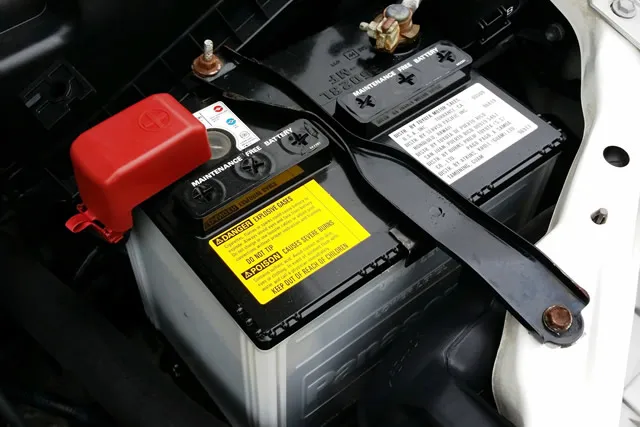
This guide will help you decide when you need to change your battery
2017-11-28
The car battery is an essential component that provides the electrical power necessary to start your vehicle and operate various electrical systems. Over time, batteries can degrade and lose their ability to hold a charge effectively. Recognising the signs of a failing battery is crucial to avoid unexpected breakdowns and maintain your car's reliability.
In this article, we will discuss the signs that indicate it's time to replace your car's battery.
1. Diminished Cranking Power
One of the most noticeable signs of a weakening battery is difficulty starting your car. If you notice that your engine cranks more slowly than usual or if it takes multiple attempts to start, it may indicate a battery problem. This is especially evident in colder weather, as low temperatures reduce the battery's performance.
2. Frequent Jump-Starts
If you find yourself frequently needing jump-starts from another vehicle or using a portable jump-starter, it's a clear indication that your battery is struggling to maintain a charge. While occasional jump-starts can be caused by other issues, repetitive instances often point to a deteriorating battery.
3. Aging Battery
Car batteries have a limited lifespan, typically ranging from three to five years. If your battery is older than this, it is more susceptible to failure. Even if you haven't experienced any noticeable issues yet, it's advisable to proactively replace your battery around the five-year mark to prevent unexpected breakdowns.
4. Warning Lights
Modern vehicles are equipped with sophisticated onboard computer systems that monitor battery health. If your car's dashboard warning lights, such as the battery or check engine light, illuminate, it could indicate an issue with the battery. Don't ignore these warnings - consult a professional to diagnose and address the problem promptly.
5. Corroded or Swollen Battery Case
Regularly inspect your car's battery for visible signs of damage. If you notice corrosion or a swollen battery case, it indicates a battery that is nearing the end of its life. Corrosion around the battery terminals can hinder proper electrical connections, leading to poor performance.
6. Electrical System Malfunctions
A failing battery can cause disruptions to various electrical components in your car. Look out for malfunctioning lights, flickering dashboard displays, or erratic power window operation. These issues can indicate an underlying battery problem and should be addressed promptly.
Your car's battery plays a crucial role in providing the necessary power for starting the engine and operating various electrical systems. Understanding the signs of a failing battery can help you proactively address the issue and avoid unexpected breakdowns.
Consult with a qualified technician who can assess your battery's condition and recommend a suitable replacement. Remember, regular battery maintenance and timely replacement ensure a dependable and hassle-free driving experience.
Please note this is an example website.
This is a demo article.
Recent posts
Leave a comment
Comments
Guest Name
Thanks for the article, it really helped me.

